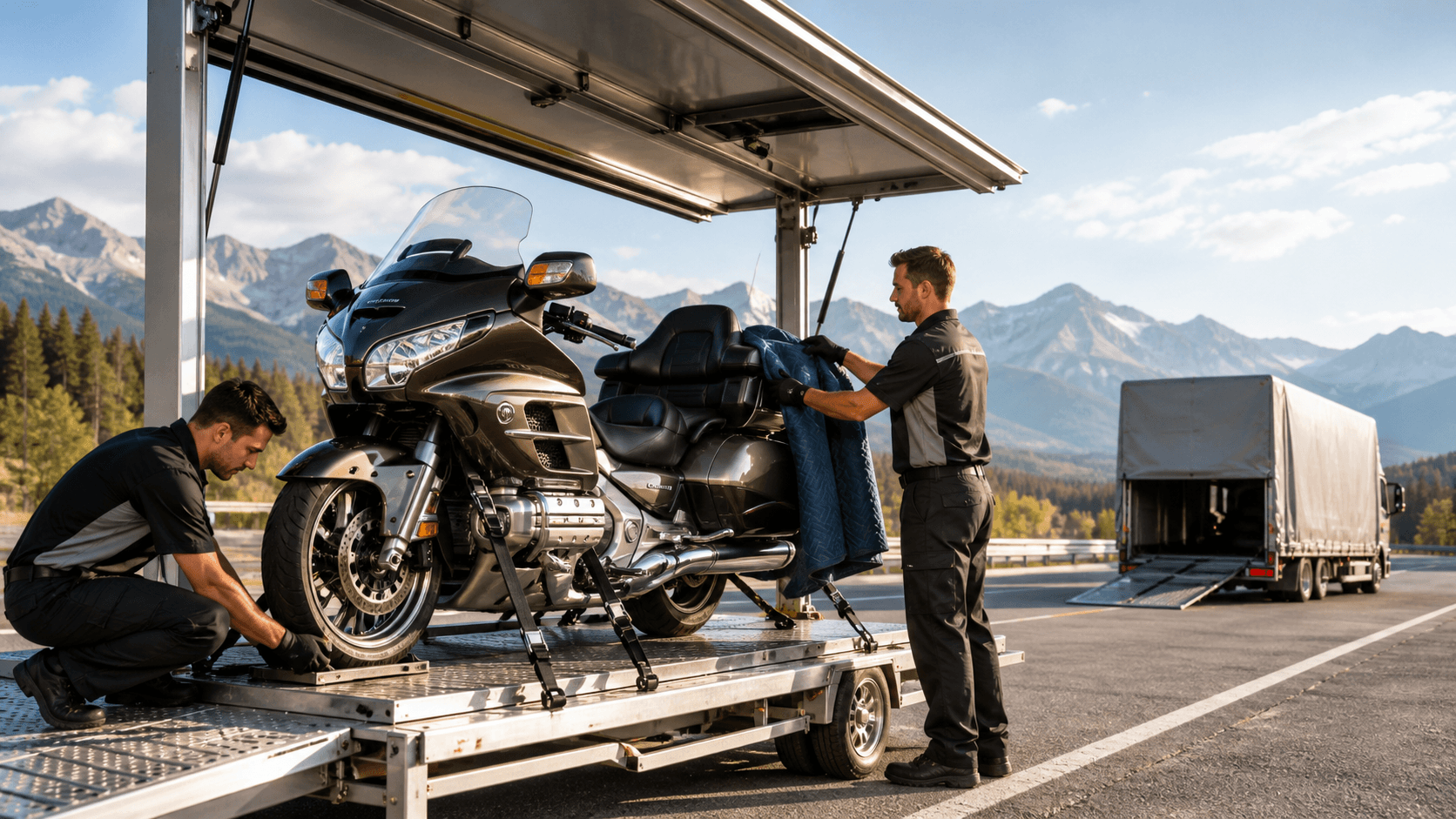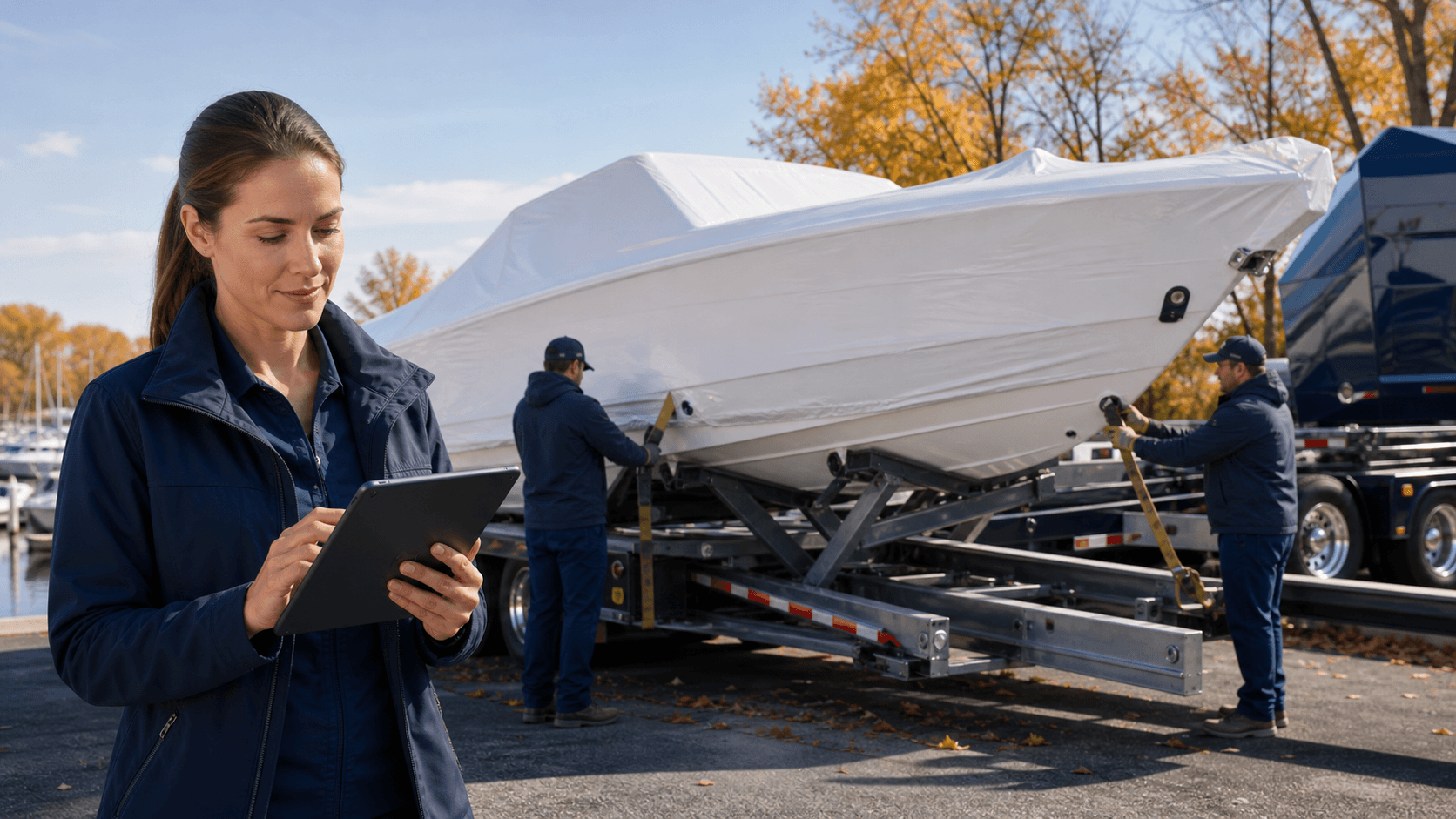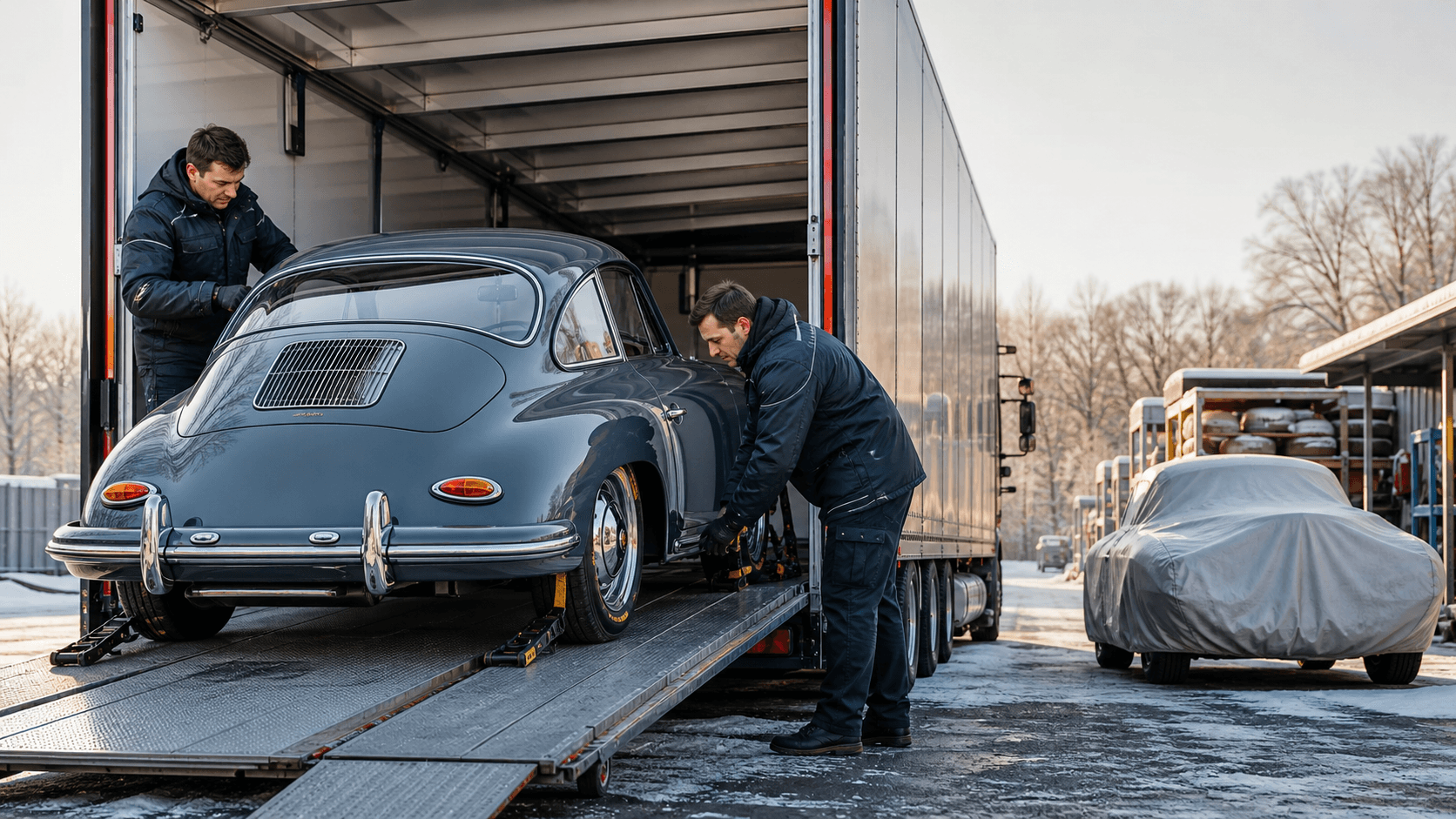
Move Your Classic Safely Before Winter Weather Hits
By mid-October, it is smart to start planning a move to winter storage. Freezing temperatures, road salt, snow, wet leaves, and holiday schedules can all make seasonal travel harder on a collector vehicle. Planning classic car transport early helps you avoid rushing a move after bad weather is already in the forecast.
Classic cars often need more care than everyday vehicles. Older mechanical parts, specialty tires, low ground clearance, limited-use insurance plans, and valuable paint or trim can make a long winter drive a poor fit. We help coordinate vehicle shipments so you can reduce exposure to icy roads, road debris, and harsh seasonal conditions.
Book Classic Car Transport Before Seasonal Demand Builds
Late fall can be a busy time for vehicle shipping. Snowbirds, dealerships, collectors, and seasonal residents may all be arranging transportation before winter weather gets worse. Requesting a quote several weeks before your preferred pickup date gives us more time to look for transportation options that suit your vehicle, route, and schedule.
Accurate shipment details matter from the start. When you share complete information with us, we can better coordinate a realistic pickup window and carrier type. Be ready to provide:
- Vehicle year, make, model, and running condition
- Pickup and storage delivery locations
- Preferred pickup and delivery dates
- Low-clearance, size, or handling needs
- Storage facility rules or access requirements
A little flexibility can also make the process smoother. A broader pickup or delivery range may help when a route includes rural roads, remote storage buildings, or areas dealing with early snow. Before booking, confirm operating hours, gate instructions, and a working contact number for both locations.
Document Condition and Prepare a Winter-Ready Pickup
Before loading day, we recommend taking a careful look at your vehicle's condition. Date-stamped photos create a clear record that you can compare with the vehicle at delivery. Photograph exterior panels, wheels, tires, glass, interior surfaces, the undercarriage when possible, and any existing marks or imperfections.
It also helps to review the vehicle's loading needs ahead of time. Older classics may have special starting steps, battery concerns, sensitive alarms, or parts that need extra attention. Let us know about those details before pickup so we can communicate them during shipment coordination.
A simple pre-transport checklist can include:
- Check for fluid leaks and report any known concerns
- Follow carrier guidance for charging or disconnecting the battery
- Secure loose trim and retract antennas
- Make sure tires are properly inflated for loading
- Remove toll tags, remotes, paperwork, and loose accessories
Personal belongings should generally come out of the vehicle before transport. Removing valuables and loose items helps prevent distractions during inspection and loading. Keep only the fuel level requested by the carrier, so the vehicle remains operable without carrying unnecessary weight.
Choose Enclosed Protection for Valuable Winter Moves
Open transport is an efficient choice for many vehicles, but enclosed transport provides added separation from outdoor conditions. During fall and winter, that can mean more protection from precipitation, road spray, salt, dust, and debris along the route.
For a restored classic, show vehicle, rare import, or car with delicate paintwork, enclosed classic car transport may be worth considering. The right choice depends on the vehicle's condition, value, route, and your comfort level with seasonal exposure. Low-clearance cars and vehicles with custom components may also benefit from more specialized planning.
Loading requirements should never be an afterthought. Tell us in advance if your car has very low ground clearance, nonstandard dimensions, an inoperable condition, or other special handling needs. Early disclosure gives us time to coordinate a carrier option and loading arrangement that fit the vehicle and planned route.
Coordinate Storage Delivery with the Right Equipment
A successful shipment depends on more than getting the car to the right address. Before delivery day, confirm that the winter storage facility can accept the vehicle. Some locations may have limited seasonal hours, gated access, staff-only receiving rules, inspection paperwork, or advance notice requirements.
Truck access deserves the same attention. Large carriers need enough room to travel safely, turn around, and load or unload on level ground. If the storage site has narrow roads, tight entrances, soft ground, or limited turning space, a nearby meeting point or another delivery arrangement may be needed.
Once the vehicle arrives, follow the storage facility's plan for long-term care. That may involve a battery maintainer, a fitted cover, tire protection, fuel stabilization, humidity controls, and a review of insurance coverage. Transport is the first part of protecting a classic through winter, while proper storage helps carry that protection through the season.
Reserve Your Winter Move with BoxBee Logistics
Early planning gives you more control over your winter storage move. We coordinate nationwide and global vehicle transportation, including open and enclosed carrier options and door-to-door service. When you request classic car transport, complete vehicle details, route information, preferred dates, and storage requirements help us support a well-organized shipment.
The best winter move is usually the one arranged before weather and calendar pressure take over. With clear condition records, the right carrier choice, confirmed storage access, and a thoughtful delivery plan, you can place your classic in storage with greater confidence.
Protect Your Classic Through Every Mile
BoxBee Logistics provides classic car transport designed to help safeguard valuable vehicles during winter storage moves. Our team can help coordinate enclosed shipping around your preferred pickup and delivery schedule. Contact us to discuss your vehicle's transport needs.